

flyAR opens Splatsonia, a browser app that makes Gaussian splats react to sound
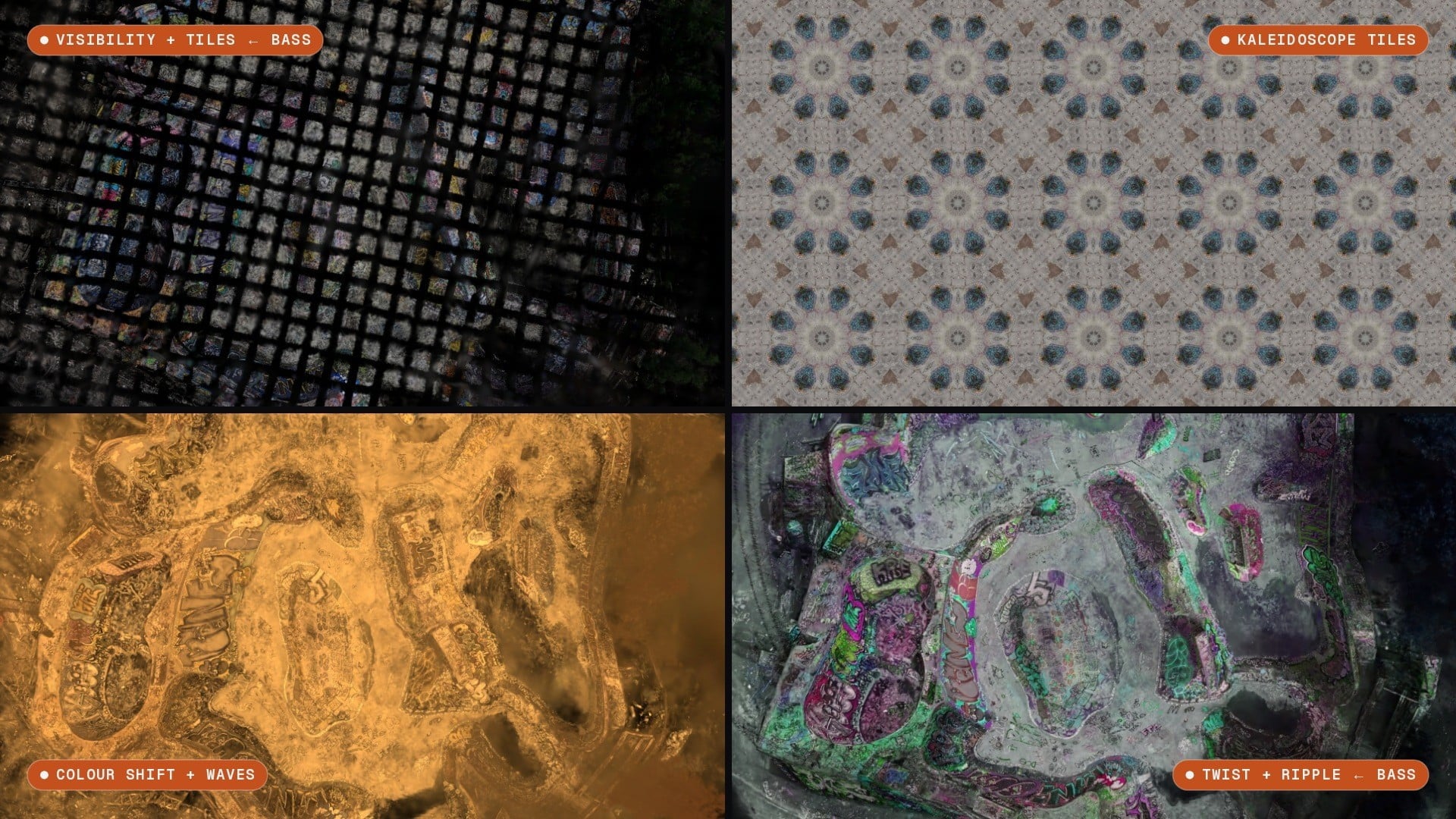
Helsinki studio flyAR has put Splatsonia into open beta: a desktop-browser app, with no install, that makes 3D Gaussian splats react to sound in real time. The product page describes it as an internal experiment for adding motion to otherwise static splats, and says the app is built on PlayCanvas. In a 2 November 2026 note, CEO and AR designer Frans Tihveräinen writes that Splatsonia is not AR or VR, and that files you load stay in the browser session.
The app accepts .ply or .sog files, including by drag and drop. That note sets a 300 MB size limit and mentions a built-in lioness scan of 556,733 Gaussians (about 9 MB) by Spenser Dickerson, released under CC BY 4.0. Audio can come from a browser tab, a microphone or line input, an audio file, or a built-in demo track. Splatsonia splits the sound into loudness, bass, mids, treble, pitch, beat and brightness, detects tempo, and adds three tempo-synced LFOs; Tihveräinen says any of those can drive any of 55 audio-routable parameters. Effects listed on the product page include motion (waves, explosion, random motion, flow field, twist, radial ripple, scatter and spherize), break (two slice effects, shatter and tile), colour (colour shift, hue rotation, saturation and exposure) and visibility (splat size, opacity and dissolve), plus visibility and effect masks, a kaleidoscope lens, up to eight polyhedral mirror copies, and sound-reactive wireframe geometry. Ten presets are included, from Ghost Slices to Strobix Kaleidotile, along with a randomize control and a JSON export of a look, its effect routes and the camera view.
flyAR says Splatsonia is free to use during the open beta and that some features may become paid later. The studio’s site describes it as a Helsinki company, shipping since 2012, that builds browser-based AR and interactive 3D.