

ASU open-sources Open4DGS for 4D splats from consumer cameras without genlock
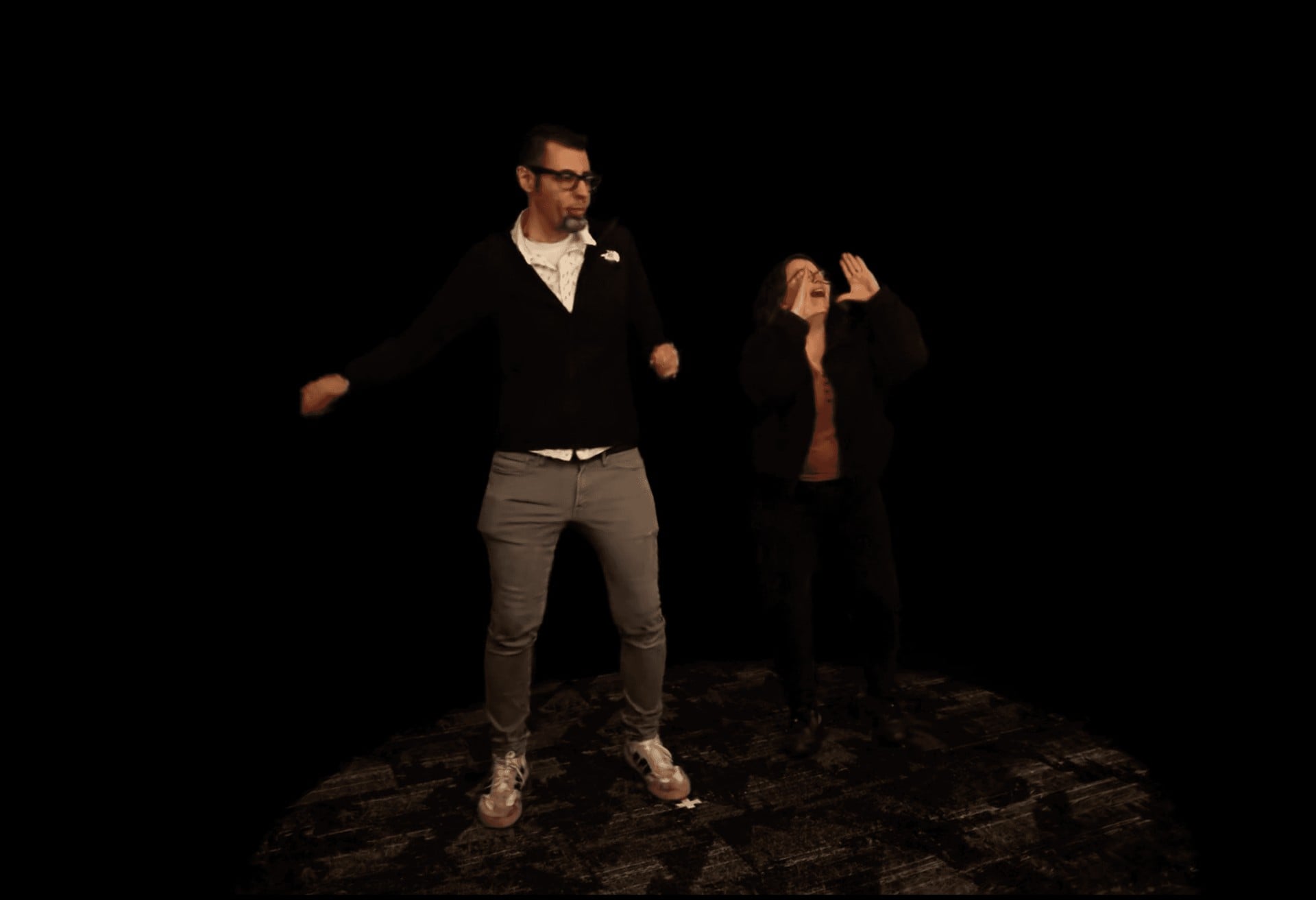
Arizona State University’s Narrative and Emerging Media program has released Open4DGS, an open-source pipeline that turns multi-camera footage from consumer cameras such as GoPros or Sony action cameras into 4D Gaussian splatting sequences. Instead of an expensive genlocked rig, a solver estimates each camera’s sub-frame timing offset and rolling shutter readout from epipolar flow between calibrated camera pairs, and falls back to timecode when its consistency checks fail, as Radiance Fields reports.
The seven-stage pipeline uses COLMAP for calibration, Background Matting V2 or SAM 2 for masks, RoMa v2 and MEMFOF for matching, and a training core based on TRiGS with a fixed primitive count, so GPU memory stays constant over long captures. Output is a .trigsbin timeline plus per-frame PLY files for Blender, Unreal Engine and WebGL viewers. The code is split into Open4DGS-Core and Open4DGS-Trigs under MIT and AGPL-3.0, written by Contrast Media Labs for the program. A Unity plugin and web SDKs based on Spark and three.js are on the roadmap.