

CARLA 1.0 turns recorded drives into splat scenes with NVIDIA NuRec
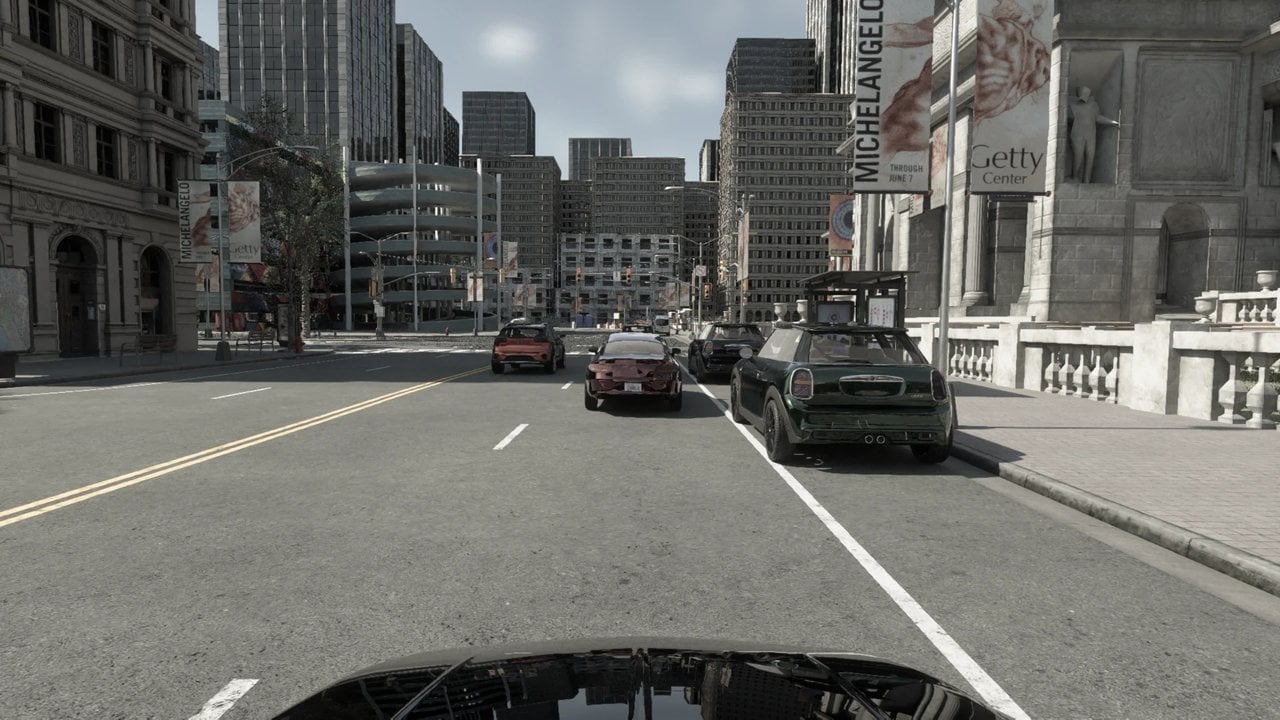
The open-source driving simulator CARLA has reached version 1.0 (17 November 2026), and one of its main features is support for NVIDIA NuRec 26.04, NVIDIA’s Gaussian splatting based neural reconstruction stack. A recorded real-world drive becomes a scene CARLA can simulate: CARLA owns the physics and the clock, and the NuRec renderer produces photoreal camera frames and lidar sweeps of the reconstructed scene. The release blog post calls it the most important release in the history of the project.
As Radiance Fields explains, a NuRec scenario is a .usdz file with the trained neural scene, the recorded actor tracks and the OpenDRIVE road network. The Neural Reconstruction Engine runs in a container and serves frames over gRPC, rendering all cameras due in one tick in a single batched round trip; the nrend or gsplat backend can be forced in the demo configuration, and the neural lidar models a PANDAR128 or an AT128. After a handoff, the ego vehicle can follow the recorded track, re-drive it with CARLA physics or drive freely under the Traffic Manager. Asset editing swaps the rendered asset of one vehicle or inserts a clone on a shifted trajectory, and a hybrid example composites CARLA vehicles and pedestrians into the neural scene, lit from the recorded environment and occluded correctly against the reconstruction.
CARLA 1.0 also moves from Unreal Engine 5.5 to 5.8 on CARLA’s own engine fork, adds NVIDIA Cosmos and DLSS 4.5, new ray-traced lens cameras and calibrated camera profiles, and ships for Ubuntu 22.04 and 24.04, Windows 11 and Docker. The Unreal Engine 4.26 line, where NuRec support first appeared in 0.9.16, is now obsolete. Sample scenes come from NVIDIA’s gated PhysicalAI-Autonomous-Vehicles-NuRec dataset on Hugging Face.